
Biomass pellets production
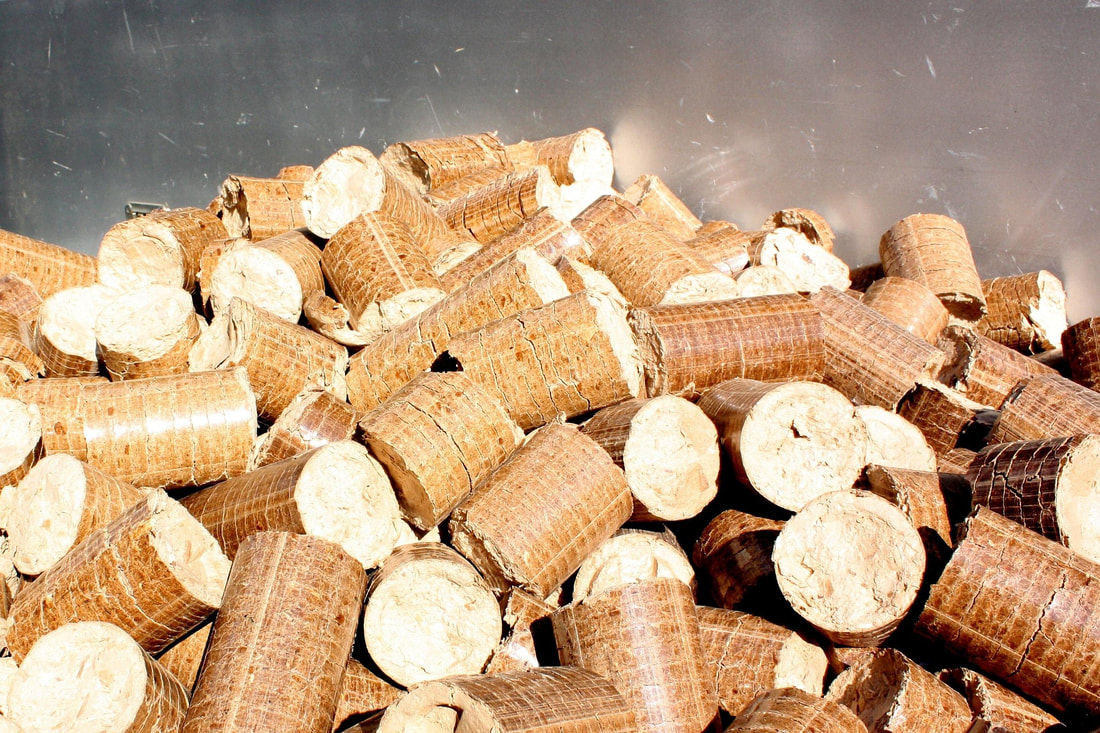
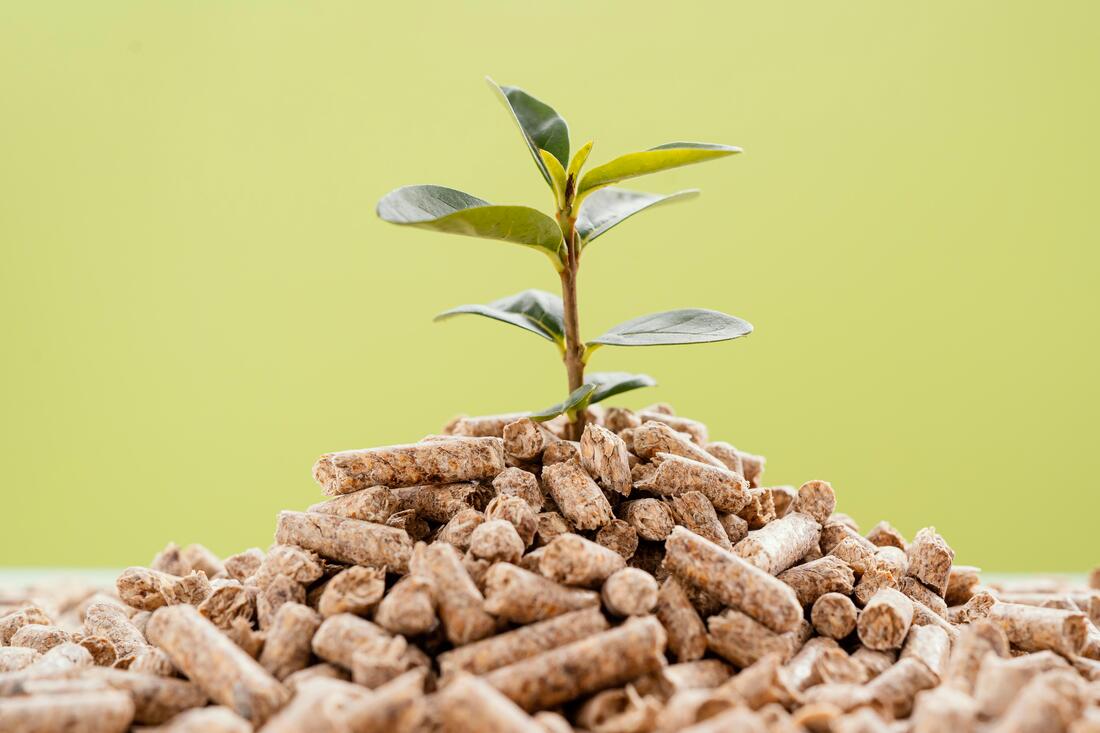
Biofuel, also referred to as biomass is defined as the fuel made from organic matter or wastes of living organisms that can be used as renewable sources of energy. Biomass pellet is one kind of Biofuel resources.
The advantage of using biomass in the form of a pellet is its energy density. This refers to the amount of energy that can be stored in a given amount of a material. On their own the wood and residues like wood chips and sawdust that make up biomass do not have a high energy density. A kilogram of wood, for example, stores little energy, compared to fuels like coal, diesel or uranium.
However, by compressing forest industry residues into a pellet, biomass becomes significantly more energy dense. Wood pellets can also have very low moisture content, giving them a high combustion efficiency – an important feature in power generation.
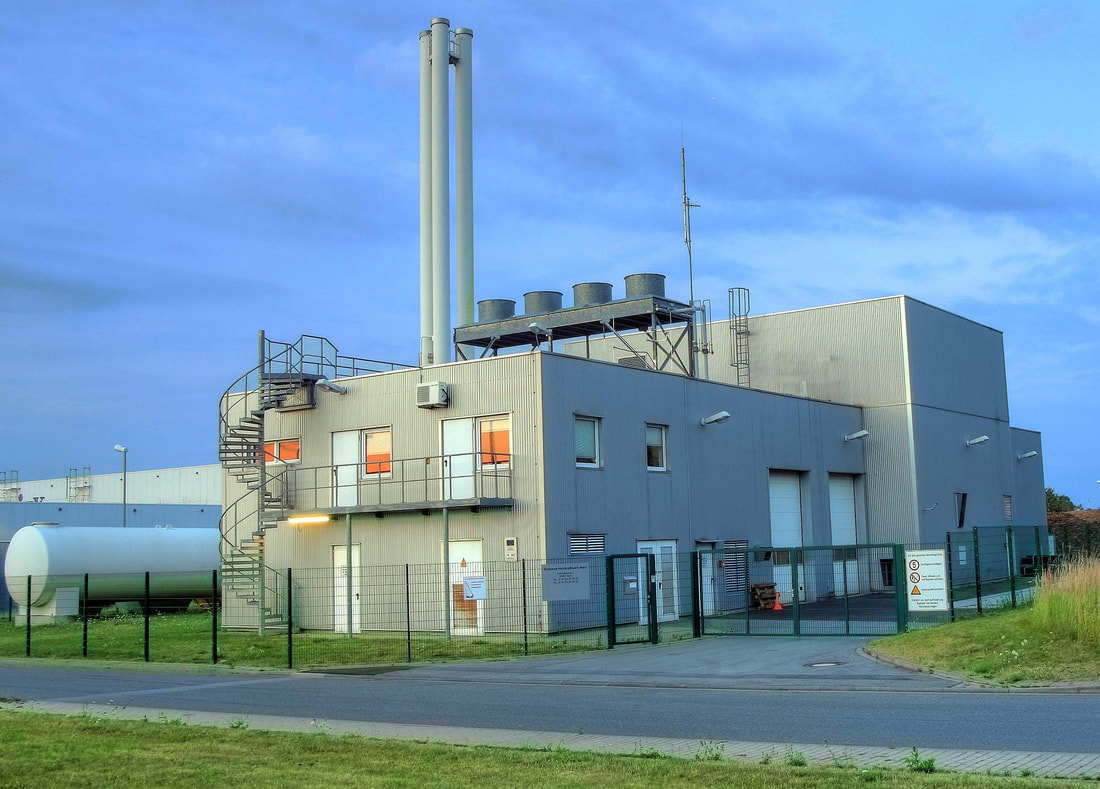
Our current pelletization project in Indonesia has the capability to produce up to 720,000 ton of pellets annually.
Biofuel, also referred to as biomass is defined as the fuel made from organic matter or wastes of living organisms that can be used as renewable sources of energy. Biomass pellet is one kind of Biofuel resources.
The advantage of using biomass in the form of a pellet is its energy density. This refers to the amount of energy that can be stored in a given amount of a material. On their own the wood and residues like wood chips and sawdust that make up biomass do not have a high energy density. A kilogram of wood, for example, stores little energy, compared to fuels like coal, diesel or uranium.
However, by compressing forest industry residues into a pellet, biomass becomes significantly more energy dense. Wood pellets can also have very low moisture content, giving them a high combustion efficiency – an important feature in power generation.
Our current pelletization project in Indonesia has the capability to produce up to 720,000 ton of pellets annually.