
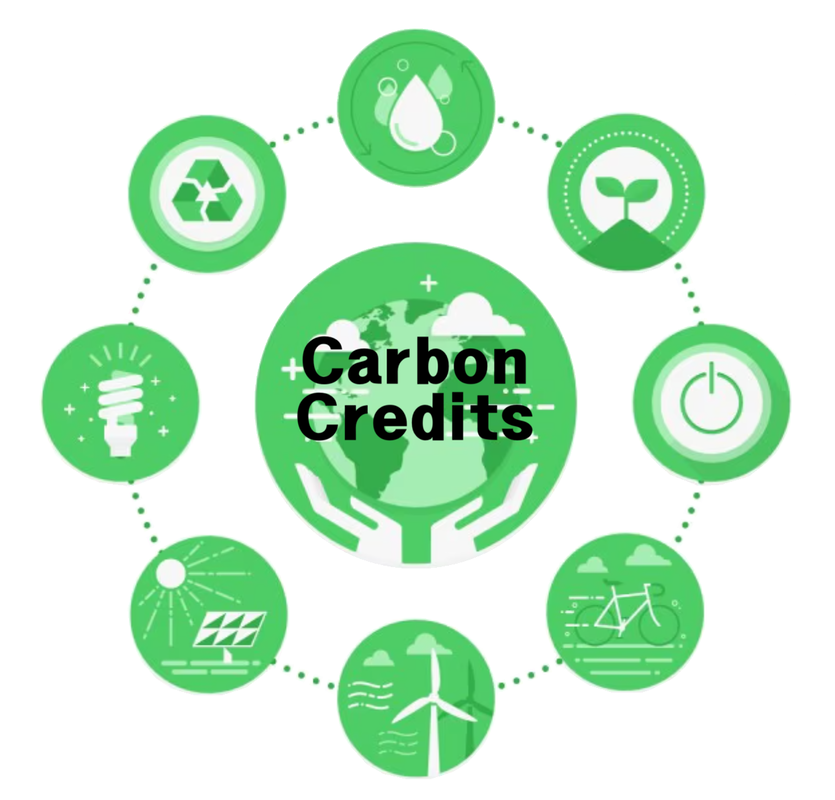
The integration of Artificial Intelligence (AI) and Internet of Things (IoT) into smart grids is a game-changer for enhancing energy efficiency and incorporating renewable energy sources. Here’s how we synergize them to create the eco-system, whereby utilizing carbon credits to create social benefits to the society:
To build AIoT Asset Connectivity
AI Data Analysis and Decision Making
Traceable Carbon Credits
Social Benefits
The future of energy is indeed promising with AI and IoT working hand in hand to create a greener, more efficient, and resilient energy system!
To build AIoT Asset Connectivity
- Install smart sensors and devices to monitor and collect data from energy projects in real time.
- Build an efficient and secure network infrastructure to ensure seamless connection and data transmission.
- Real-time Monitoring: AIoT enables continuous monitoring of energy consumption and production. This allows for real-time adjustments to optimize energy distribution and reduce waste.
- Predictive Maintenance: AI algorithms can predict equipment failures before they occur, ensuring timely maintenance and reducing downtime.
- Demand Response: Smart grids can dynamically adjust to changes in energy demand, shifting loads during peak times to off-peak times, thereby reducing strain on the grid and improving overall efficiency.
AI Data Analysis and Decision Making
- Develop and deploy AI algorithms to analyze the collected energy data, identify patterns, and trends.
- Use the insights from data analysis to optimize energy production and distribution, making informed investment decisions.
- Balancing Supply and Demand: AI can forecast renewable energy production (like solar and wind) based on weather patterns and historical data, ensuring a balanced supply and demand.
- Energy Storage Optimization: IoT devices can monitor storage systems and AI can optimize the use of stored energy, ensuring that renewable energy is used efficiently.
- Grid Stability: AI can manage the intermittency of renewable sources by smoothly integrating them with traditional power sources, maintaining grid stability.
Traceable Carbon Credits
- Traceable Carbon Credits: Through blockchain and AI, carbon credits can be tracked and verified, promoting transparency and encouraging investment in green energy.
- Decentralized Energy Systems: AIoT can support decentralized energy production, where energy is generated closer to where it’s used, reducing transmission losses and enhancing grid resilience.
- Encourage investments in green energy projects by offering incentives through carbon credits.
Social Benefits
- Green Job Creation: The transition to smart grids and renewable energy sources can create new job opportunities in tech and renewable energy sectors.
- Reduced Carbon Footprint: Efficient energy use and increased reliance on renewable sources contribute to lowering greenhouse gas emissions.
- Enhanced Energy Access: Smart grids can improve energy distribution, providing reliable and affordable energy to underserved communities.
The future of energy is indeed promising with AI and IoT working hand in hand to create a greener, more efficient, and resilient energy system!